Debunking Myths: What You Need to Know Before Buying Banana Drops

Pipette with drops and petri dish.
October 9, 2024 0 Comments 4 tags

Banana Drops have emerged as a popular option in the bustling world of weight loss supplements, capturing the attention of many seeking to shed pounds. If you’re considering whether to Buy Banana Drops, you might be wondering if they are truly a magic bullet to weight loss or just another fad. However, with their rise in popularity comes a swirl of myths and misconceptions that can lead to confusion. If you’re curious about how Banana Drops work and whether they could be right for you, it’s crucial to separate fact from fiction. In this article, we’ll debunk the top five myths surrounding Banana Drops, empowering you with the information to make the right decisions on your weight loss journey. Let’s dive in and uncover the truth!

Banana Drops Are a Magic Solution for Weight Loss

One of the most common misconceptions is that Banana Drops alone can lead to significant weight loss without any lifestyle changes. While these drops may aid metabolism and appetite control, they are not a standalone solution. Sustainable weight loss needs a balanced diet, regular exercise, and healthy lifestyle choices. Think of Banana Drops as a helpful tool in your weight loss toolkit rather than a miracle cure.


All Weight Loss Products Are the Same

Pipette with drops and petri dish.Another prevalent myth is that all weight loss supplements are created equal. In reality, the ingredients and formulations can vary widely. Banana Drops often contain a unique blend of natural ingredients to boost metabolism and reduce cravings. Researching and comparing products is essential, as some may contain fillers or ineffective components. Always read the label to understand what you’re putting into your body.

Banana Drops Are Only for People with Severe Weight Issues

Some believe Banana Drops are only intended for those with significant weight problems. This is not true. These drops can benefit anyone looking to manage their weight, whether you’re trying to lose a few pounds or maintain a healthy lifestyle. They can support overall well-being by curbing cravings and improving energy levels, making them suitable for various individuals.

You Can’t Use Banana Drops While Following a Specific Diet

Many dieters fear that using Banana Drops will interfere with their existing meal plans, especially if they’re on a low-carb or ketogenic diet. However, these drops are generally designed to complement a variety of diets. They can be incorporated into most dietary regimens without disrupting your goals. Just consider how they fit into your overall caloric and macronutrient intake.


Side Effects Are Common and Severe

Lastly, potential users may be concerned about adverse effects associated with Banana Drops. While it’s true that some individuals might experience mild side effects, like digestive discomfort, these instances are relatively rare and often depend on personal sensitivities. Most people tolerate the drops well, especially if they choose a reputable brand. Always consult a professional before beginning any new supplement, mostly if you have existing health conditions.

Understanding the truths behind Banana Drops is essential for anyone considering them as part of their weight loss strategy. You can approach weight loss journey with clarity and confidence by debunking these myths. Remember that while these drops can be a helpful addition to your routine, they are most effective when combined with healthy eating and regular physical activity. By equipping yourself with accurate information, you’ll be better prepared to make decisions that support your health and wellness goals. As with any supplement, knowledge is power, so stay informed and make choices that work for you.…


Living With Spinal Degeneration: Coping Strategies and Treatment Options

March 18, 2024 0 Comments 3 tags

How long have you been experiencing that back pain? Do you also suffer from persistent discomfort and limitations in mobility? If so, you may be one of the millions of people living with spinal degeneration. Basically, spinal degeneration refers to the gradual breakdown of the spine’s structure and function, which can often result in a wide range of symptoms and various challenges.  But in order to make sure that you’re indeed dealing with spinal degeneration, you need to seek a proper diagnosis from your doctor. Spinal MRI is the most common tool used to diagnose spinal degeneration.

Explore the specialized spine MRI services provided by Biomed Scan to understand the root causes of back pain. Once you have a confirmed diagnosis, you can work with your doctor to develop a treatment plan that addresses your specific needs. Today, let’s learn what best treatment options can help you deal with the issue and live with spinal degeneration.

Physical Therapy

Any exercises and techniques that are designed to enhance strength, flexibility, and overall function of the spine can do the job. Working with a skilled physical therapist can definitely help you finally regain mobility, ease the pain, and enhance your quality of life. Through tailored exercise programs, physical therapy aims to target specific areas affected by spinal degeneration. These exercises not only strengthen muscles but also promote better posture and alignment, easing strain on the spine.

Pain Management Techniques

Living with spinal degeneration often entails dealing with chronic pain on a daily basis. While medication can provide some relief, it’s essential to explore various pain management techniques to improve overall quality of life. One effective method is physical therapy, which focuses on strengthening and stretching exercises tailored to alleviate pain and enhance mobility in the affected areas. Mind-body practices such as yoga, deep breath exercises, and meditation have also been shown to be beneficial for managing spinal degeneration-related pain by promoting relaxation and reducing stress levels. These practices not only help alleviate physical symptoms but also contribute to mental well-being.

Minimally Invasive Procedures

Now, let’s take a glimpse into what procedures your physicians may offer. If the issues aren’t that bad, you don’t need to go through extensive surgery. Minimally invasive procedures can do the job just fine, offering a less disruptive approach to treating spinal degeneration. These techniques involve smaller incisions, resulting in reduced scarring and faster recovery times for patients. One common minimally invasive procedure is lumbar decompression, which aims to relieve pressure on the spinal nerves. Another minimally invasive option is vertebroplasty or kyphoplasty, which is used to stabilize fractured vertebrae caused by degenerative conditions like osteoporosis. In these procedures, bone cement is injected into the spine to provide support and pain relief.

Surgical Intervention

However, when everything fails, surgical intervention may be considered as a last resort. Surgery aims to manage and alleviate pressure on the affected nerves or stabilize the spine to reduce pain and improve mobility. There are different types of surgical procedures available depending on the specific needs of each individual. Some common surgeries for spinal degeneration include discectomy, spinal fusion, laminectomy, and artificial disc replacement.

Making Lifestyle Changes

Living with spinal degeneration can be challenging, but it doesn’t have to define your life. By incorporating physical therapy, pain management techniques, minimally invasive procedures, and surgical intervention when necessary, you can take control of your condition. However, one of the most crucial aspects of managing spinal degeneration is making lifestyle changes. You see, simply maintaining a healthy weight can significantly reduce strain on your spine.

This is especially true if you also try practicing good posture habits, staying active with low-impact exercises like swimming or walking, and avoiding activities that exacerbate your symptoms.…

Proven Tips to Prevent Sports Injuries

pain
February 22, 2023 0 Comments 4 tags

Sports injuries are common and can often sideline athletes for weeks or even months. In some cases, they can be career-ending. However, many sports injuries can be prevented by following a few simple tips. This blog post will discuss the most effective tips for avoiding sports injuries. The Orthopaedic specialist offers various non-surgical treatments, individualized to meet your specific needs, and you can read more to book an appointment today.

Wear Proper Protective Gear

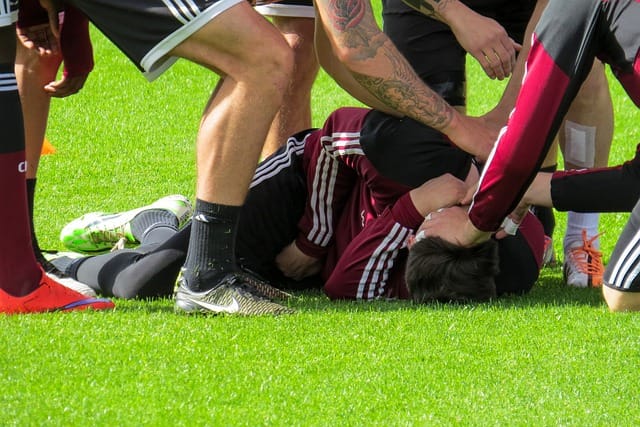
injuredProtective gear is essential for keeping athletes safe during contact sports such as hockey, football, and rugby. Helmets, mouth guards, chest protectors, shin guards, and other protective equipment can reduce the risk of head injuries, broken teeth or bones, and soft tissue damage. It’s vital to ensure all protective gear is properly fitted and maintained.
Warm Up and Cool Down

Stretching before engaging in any physical activity helps to prepare the muscles, tendons, and ligaments for exercise, while cooling down afterward helps to decrease the risk of injuries by allowing the body time to recover gradually. A proper warm-up routine should include dynamic stretches, such as arm and leg swings, followed by static stretching of the major muscle groups. In addition, engaging in a cool-down routine consisting of light activity and static stretching is essential.

Condition and Strengthen Muscles

Stronger muscles can better absorb the shock of physical activity, reducing the risk of injuries. Conditioning and strengthening exercises should focus on the major muscle groups and smaller stabilizer muscles. Well-conditioned, strong muscles are less likely to become strained or torn during activity. In addition, physical activity strains the body and requires rest periods to recover properly. Getting enough sleep is essential for proper healing, so athletes should aim to get 7-9 hours of sleep each night.

Maintain a Healthy Diet

painFinally, an athlete’s diet plays an essential role in injury prevention. Eating a balanced diet with plenty of fresh fruits, vegetables, and lean protein helps to provide the nutrients necessary for optimal physical performance. Drinking enough water also helps maintain hydration levels, reducing fatigue and preventing dehydration-related injuries.

In conclusion, following these tips can help athletes to safely and effectively engage in physical activity, reducing the risk of sports injuries. Making sure to wear protective gear, warm up and cool down properly, get enough rest, condition and strengthen muscles appropriately, and maintain a healthy diet are all essential steps for keeping athletes safe. Athletes can enjoy their sports and reach their performance goals by taking these preventative measures.…

Treat Attention Deficit Hyperactivity Disorder

Man bound in tape
June 22, 2017 0 Comments 3 tags

Attention Deficit Hyperactivity Disorder, commonly known as ADHD, is a complex mental health disorder that impacts negatively on a person’s success and how they lead their day to day life. Although it is mostly common in young children and teenagers, it can also be observed in adults, as outlined by ct adhd dr. It is a disorder that gradually develops, and if treatment is not sought immediately the first signs and symptoms are observed, it can have devastating effects on a person’s life. Good news is that it can also be easily managed and treated. If you, your child or someone you know has been battling with ADHD, the following tips can help treat the condition.

Tips for Children

If your child has ADHD, follow the following tips

Help them build their self-esteemgirl lying on grass

Make your child feel wanted and necessary. Encourage a sense of confidence in learning and in belonging. When they do something right, raise their awareness of their success and contributions.

Behavior therapy

Identify the behavior in your child that you want to encourage. Behavior therapy involves the management of her son’s behavior where if a child does something right, rewards are given. This will encourage them to behave properly and get rid of their sense of privilege.

Encourage games and play

Participating in outdoor activities and games will give your child something else to focus on. Thirty minutes of uninterrupted play for your child will go a long way in treating ADHD.

Tips for teenagers

Communication

Regular communication between the parent and the teen benefits a teenager who has ADHD. Communication offers an outlet for them to let you know how they are feeling about certain things and situations.

Use of significant consequences

This may include increased chore duties and loss of some privileges. Strive to work in close collaboration with your teenage boy or girl to establish goals which are obtainable and reasonable. When goals are met, negotiate the rewards.

Tips for adults

Pick things you find enjoyable and stick with them

Choosing activities that will play to your physical strength is highly encouraged. A good choice is team sports because the social element in them makes it interesting.

Get into nature

Research has shown that ADHD symptoms are significantly reduced if a person spends some time in life. Try trail running, hiking or walking in a scenic area or a local park.

Get enough sleep

Insomnia is one of the most common symptoms of ADHD. Ensure that you set a bedtime and then stick to it. Make sure that you avoid taking caffeinated drinks at least two hours before going to bed.