
Winning the War on Obesity: Proven Strategies for Sustainable Weight Loss

In a world where quick fixes and fad diets reign supreme, the battle against obesity can feel like an uphill struggle. Yet, what if we told you that sustainable weight loss isn’t just a distant dream but an achievable reality? Welcome to our comprehensive guide on “Winning the War on Obesity,” where we unveil proven strategies designed not only to shed those stubborn pounds but also to cultivate healthy habits for life. Say goodbye to temporary solutions and hello to lasting transformation. Join us as we explore practical tips, inspiring success stories, and expert insights that will empower you on your journey toward vibrant health and well-being.
Understand the Role of Weight Loss Supplements
In the search for effective weight loss strategies, weight loss supplements are often touted as a quick fix. However, it’s crucial to approach supplements with caution. While some products may offer modest benefits, they should never replace a healthy, balanced diet or regular exercise. Common weight loss supplements include appetite suppressants, fat burners, and metabolism boosters. These products can sometimes help individuals jumpstart their weight loss journey, especially when combined with proper diet and exercise, but they are not a magic bullet.
For instance, green tea extract and caffeine are often found in fat-burning supplements, as they can slightly increase metabolism and promote fat oxidation. Similarly, fiber supplements can help reduce appetite by promoting a feeling of fullness.
Focus on Sustainable Diet Changes

The cornerstone of any successful weight loss strategy is a balanced and nutritious diet. Restrictive diets or extreme caloric cuts are rarely effective in the long run and can often result in nutrient deficiencies or yo-yo dieting. Instead, focus on sustainable changes that promote gradual weight loss. A balanced diet should include a variety of nutrient-dense foods. Place a strong emphasis on entire grains, lean meats, fruits, veggies, and healthy fats. By maintaining blood sugar levels and promoting feelings of fullness for longer, a diet high in fiber can also aid in weight loss.
Limiting processed foods, sugary beverages, and high-calorie snacks will go a long way in reducing overall calorie intake. Remember that portion control plays a crucial role. Eating mindfully and avoiding overeating by listening to your body’s hunger cues can make a significant difference in your weight loss efforts. It’s important to think of food as fuel and make choices that nourish your body rather than simply satisfying cravings.
Incorporate Regular Physical Activity
Exercise is an essential component of any weight loss program. It not only helps burn calories but also improves overall health by boosting metabolism, enhancing cardiovascular function, and strengthening muscles. The American Heart Association recommends 150 minutes of moderate-intensity aerobic exercise or 75 minutes of intense exercise, in addition to two or more days of muscle-strengthening activities.
A mix of cardiovascular exercises (such as walking, running, swimming, or cycling) and strength training (like weight lifting or bodyweight exercises) is ideal. Cardio helps to burn calories during the workout, while strength training increases muscle mass, which increases your resting metabolic rate and helps you burn more calories even when not exercising. For those who are new to exercise, it’s important to start gradually and build up intensity over time. Consistency is key—regular activity will lead to gradual improvements in both weight loss and overall fitness.
Address Emotional Eating and Stress

Obesity is often intertwined with emotional eating, where individuals use food to cope with stress, anxiety, or depression. This behavior can lead to overeating and the consumption of unhealthy foods that contribute to weight gain. Managing emotional eating is an essential aspect of successful weight loss. Emotional eating can be broken by practicing mindful eating. This focuses entirely on the eating experience, identifying hunger signals, eating mindfully, and enjoying every meal.
Developing non-food-related coping mechanisms for stress, such as meditation, yoga, or journaling, can reduce reliance on food for comfort. Seeking professional help, such as cognitive-behavioral therapy (CBT), can also be effective for addressing emotional eating patterns. A therapist can help identify triggers and offer strategies to manage emotional responses to food.
Get Adequate Sleep
Sleep is often overlooked in weight loss strategies, yet it plays a vital role in managing hunger hormones and metabolism. Lack of sleep disrupts the balance of leptin and ghrelin, hormones responsible for regulating appetite. Insufficient sleep can lead to increased hunger and cravings, particularly for high-calorie, sugary foods.
Try to get between seven and nine hours of good sleep each night. Sleep quality can be improved by creating a sleep-friendly environment in the bedroom, which includes keeping it cold, quiet, and dark. Avoiding caffeine and electronic devices before bed also supports restful sleep.…








 Greens powder supplements can also help the body to detoxify itself. The combination of nutrients found in these supplements helps to eliminate toxins and impurities from the body, which can lead to improved overall health and well-being. This can help you stay alert and focused for longer periods of time, allowing you to accomplish more during your day.
 Greens powder supplements can also be beneficial for weight loss. The combination of vitamins, minerals, and nutrients found in these supplements can help to reduce cravings, improve digestion and metabolism, and support healthy weight loss.
 Once you’ve been able to walk or even jog, try some Kegels and pelvic tilts. Pelvic floor exercises, also known as Kegels, are essential for post-pregnancy fitness. These exercises help strengthen the pelvic floor muscles, which can weaken during pregnancy and childbirth. Kegels can also help improve your bladder control. To do a Kegel, squeeze the muscles you use to stop urinating.
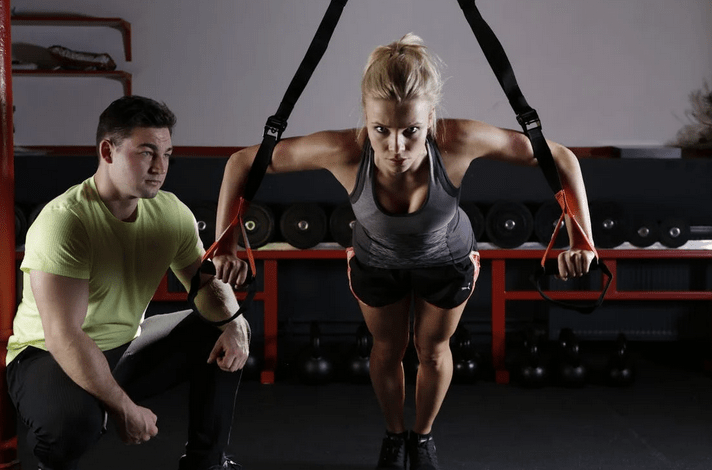 In addition to toning your abdominal muscles, crunches also help improve your cardiovascular health. Regular cardio exercise is essential for post-pregnancy fitness. Try to get at least 30 minutes of aerobic exercise three to five times per week. If you can’t fit in a long workout, break it up into smaller chunks of time throughout the day. Strength training is also essential for post-pregnancy fitness.

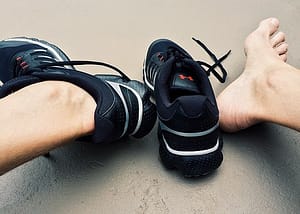 Proper alignment of your flex point is necessary to avoid any strain or pain. An improperly aligned flex point that does not bend and crease along the same line of your foot flex is going to cause you much calf strain later. Extensive running will keep giving you pain with such kind of shoes. Get more for Running Shoes for Men and Women with Plantar Fasciitis. You need to get a running shoe pair that matches your feet’s movement and contours.…
 when you do it at a very steady or intense pace, you are automatically asking your circulation system, especially the heart to pump blood to every muscle all over your body. How does this help? Well, it jacks up your heart blood pumping rate and creates less oxygen in your body. Long after you finish your workouts, the body try to pay back the debt of oxygen lacking through burning down body fats. It is somehow tricky to perform rowing. It is wise to break it into two phases for you to perform excellently. Which are these phases? Well, break the workout down into the drive and recovery phases as described below.