
Your Posture Is a Timeline: What Your Body Remembers That You Forgot

We often think of posture as something purely physical—shoulders back, head up, spine straight. But what if it’s more than that? What if the way you stand, sit, or carry yourself is actually a record of your life experiences, stress, and emotional states? Your posture is more than muscle memory—it’s emotional memory. Over time, your body adapts to how you’ve been living, coping, and even protecting yourself. In many ways, your posture tells the story of where you’ve been—even when your mind has moved on.
Stress Leaves a Mark

You may not remember that tough year you spent grinding away at a desk job, but your neck and shoulders do. Chronic stress often shows up in the body as tension: hunched shoulders, a clenched jaw, or a tight lower back. These physical responses might have started as temporary reactions, but over time, they settle into patterns. Your body doesn’t just react in the moment—it learns, adapts, and remembers. And those “memories” can linger long after the stressor is gone, quietly shaping how you move through the world.
Trauma Shapes Stance
Trauma—whether physical, emotional, or psychological—can deeply affect posture. For some, it looks like caving in or making themselves smaller. For others, it shows up as rigidity, as if holding everything in place is the only way to feel safe. These physical responses often develop unconsciously as the body’s way of coping or protecting itself. And even if the trauma is long past, the posture it created may remain. That’s why healing often involves more than just talk—it includes the body, too.
Emotion Has Weight
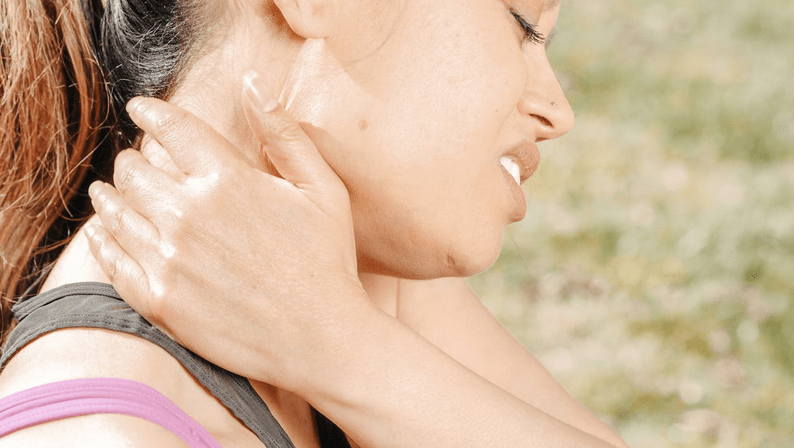
We talk about “carrying the weight of the world on our shoulders” for a reason. Emotions have a way of settling into the body, especially when they’re unprocessed or repressed. Grief, anxiety, shame—they all have a posture. Think about the difference between someone who feels confident and open versus someone who feels ashamed or defeated. The body reflects what the mind might not be saying out loud. The longer these emotional weights go unacknowledged, the more they become part of your baseline posture.
Habit or History?
Sometimes, what we think of as “bad posture” isn’t just laziness or habit—it’s history. Maybe you learned to slouch as a kid to avoid attention. Maybe you stiffened your back to hold it together through a difficult season. Maybe you tilt your head to one side because it was the only way to feel seen in a certain relationship. Our postural habits often trace back to emotional survival strategies. That’s why changing them isn’t just about ergonomic chairs or standing desks—it’s about awareness and compassion.
The Body Wants to Rebalance

The good news is that your body isn’t stuck. Just like it learned to adapt to pain or pressure, it can relearn how to stand tall, breathe deeply, and move freely. Practices like yoga, somatic therapy, and mindful movement aren’t just about fitness—they’re about gently helping the body unlearn what no longer serves it. As you bring more awareness to how you carry yourself, you might start to notice the emotional layers underneath. And with time, posture can shift—not through force, but through healing.
Your posture isn’t just a snapshot—it’s a timeline. It carries the imprint of everything your body’s been through, including what your mind may have tried to forget. But rather than seeing that as a flaw, consider it a map. Your body isn’t betraying you; it’s communicating with you. And when you start listening, you can begin to understand not just your alignment, but your story. So next time you catch yourself slouching or holding tension, pause. There may be more going on than tight muscles—your posture might just be telling you something important.…